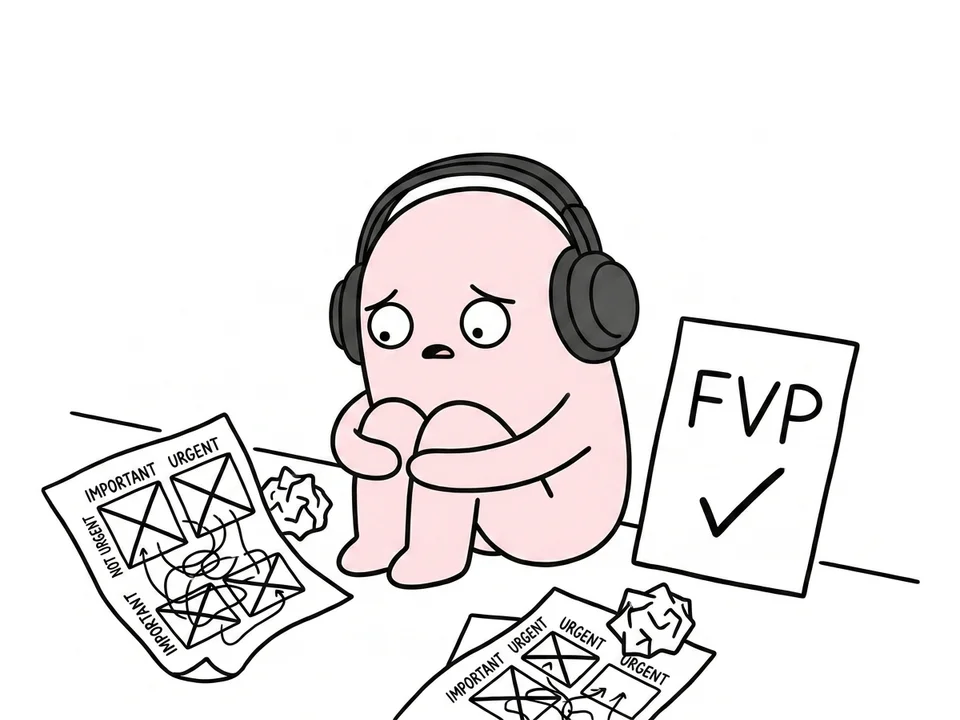
GTD doesn't fail most people because they're undisciplined. It fails because maintaining the system becomes a full-time job on top of actual work. At some point you're spending more time managing your productivity system than being productive. And then you quit.
What GTD Is and Why It Sounds So Convincing
GTD (Getting Things Done) is David Allen's system from his 2001 book of the same name. The premise is seductive: offload everything from your brain into a "trusted system," sort tasks by context and project, then work through your next actions.
The core idea is sound. Your brain isn't built to store lists — it's built to think. The problem isn't GTD's philosophy. It's the implementation.
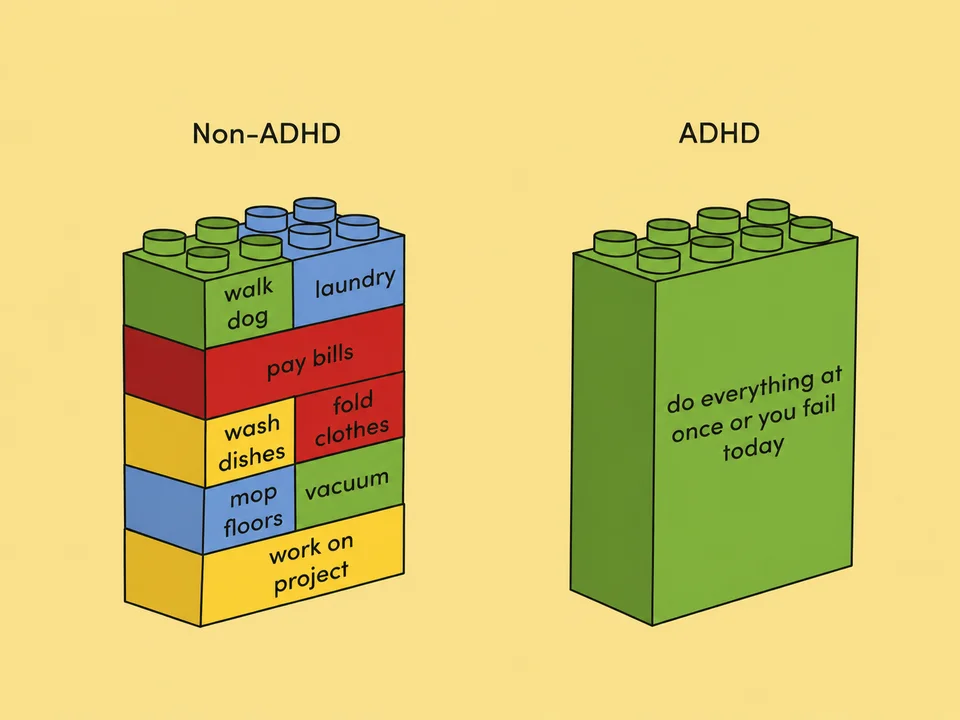
Allen's system requires a full infrastructure: inboxes, contexts (home, office, calls, computer), projects, next actions, waiting-for, and someday/maybe lists. All of it needs constant upkeep — the moment you fall behind, the system stops being "trusted" and falls apart.
Where the System Breaks
GTD requires a weekly review. Without it, the system degrades in 1–2 weeks. But a weekly review means 1–2 hours of focused work spent on your own system. Most people skip it once, then twice, then stop entirely.
Contexts have aged poorly. In 2001 it made sense to tag tasks as "at computer" vs. "not at computer." Today everyone has a smartphone and most tasks can be done anywhere. Contexts became a pointless sorting ritual that adds friction without adding value.
The system ignores your energy level. GTD assumes you have a stable, consistent resource and can methodically work through a list. Reality is different: Monday morning you're ready to tackle hard problems; Friday afternoon you can barely open your laptop. GTD makes no distinction.
The setup cost is too high. According to Asana research, the average person spends only 26% of work time on actual work — the rest is work about work. GTD risks becoming part of that overhead: beautifully organized contexts, carefully worded next actions, perfectly nested projects — and zero tasks actually closed. This is exactly how your task manager becomes a graveyard: not from laziness, but from a system that costs more than it returns.
When a system costs more to maintain than it returns, people drop it. That's not a character flaw. That's a reasonable response.
What GTD Actually Gets Right
It wouldn't be fair to bury GTD entirely. One idea in it works without fail: the brain dump.
Keeping tasks in your head is expensive. Your brain burns energy trying not to forget things, and background anxiety about open loops makes it hard to focus on what you're doing right now. Writing everything down is the right first step.
The question is what happens after that.
What Works Instead
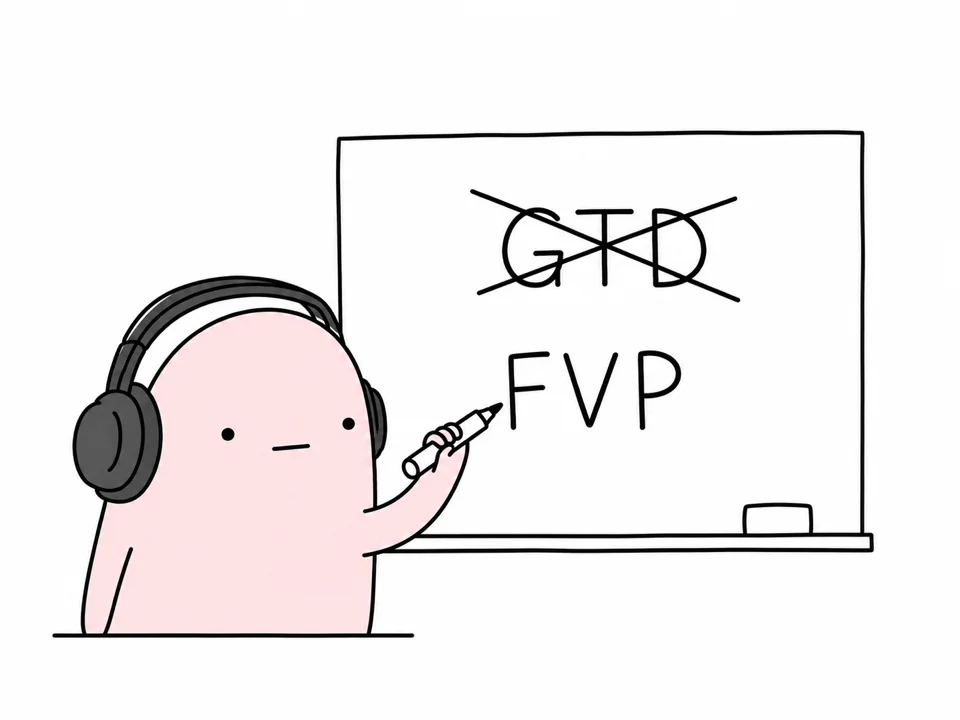
Mark Forster was a British time management expert who spent his career refining a single system. His final version is called FVP (Final Version Perfected) — and it's built on a completely different principle than GTD.
No contexts. No weekly review. One task list and one question: "Do I want to do this more than the previous one?"
You go through the list top to bottom, comparing tasks one by one. The ones you select go into your work session. You start with the most wanted task — the one you kept choosing. There's no resistance, because you just chose it yourself.
Your intuition knows more about your current state than any spreadsheet. FVP listens to it. For a full walkthrough of how the algorithm works, read Why FVP Is the Smartest Way to Choose Your Next Task.
The Bottom Line
GTD was written for an ideal user: disciplined, stable, willing to spend an hour every Sunday on a system review. Most people aren't that user — and that's fine.
If GTD isn't working for you, the problem isn't you. The tool just wasn't designed for a real person with variable energy.
Frequently Asked Questions
Why doesn't GTD work for most people?
GTD requires constant upkeep: weekly reviews, context management, project maintenance. Without it, the system falls out of date and stops being reliable. Most people can't or won't invest that time — and abandon GTD within weeks of starting.
What is the main flaw in the GTD method?
GTD doesn't account for variable energy. The system is equally demanding on a productive Monday and an exhausted Friday. On top of that, the contexts it relies on — home, office, phone — were designed in 2001 and have lost their meaning in the smartphone era, where most tasks can be done anywhere.
What should I do if GTD stopped working for me?
Try a simpler approach. Mark Forster's FVP method uses one question instead of a complex infrastructure: "Do I want to do this more than the previous task?" It removes resistance and lets you work in a state of flow without forcing yourself.
Can GTD be combined with other methods?
You can, but that usually adds complexity without fixing the core problem. Hybrid systems tend to inherit GTD's overhead while losing the simplicity of the other method. Better to pick one principle and follow it consistently.
If you're tired of maintaining a system instead of actually working — Maybe is built on FVP. One list, one question, no contexts or mandatory reviews. Try it in the browser or download on iPhone — setup takes two minutes.